Little Tractors, Big Lessons: Planting Seeds of Sustainability
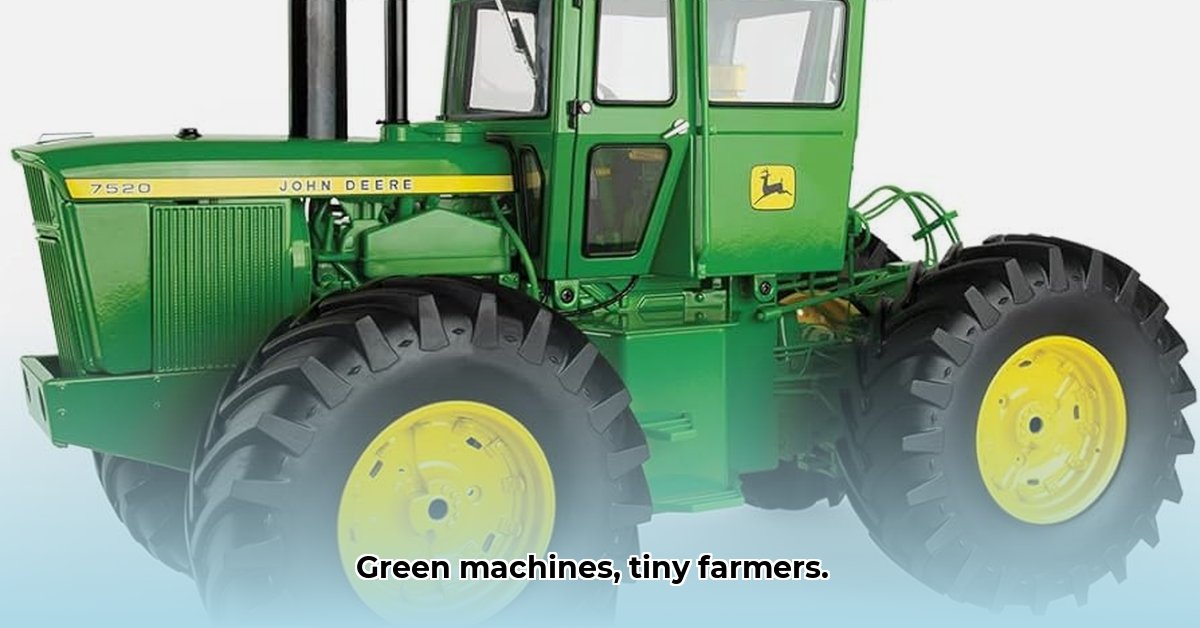
Remember the thrill of playing with a tiny John Deere tractor? That simple toy held a world of possibilities. Now, imagine that same toy, reimagined, becoming a powerful tool for teaching children about sustainable agriculture. This isn't just a whimsical idea; it's a significant opportunity, leveraging the immense popularity of John Deere toys – readily apparent on Amazon and other retailers – to cultivate a deeper understanding of environmentally responsible farming practices. We can transform playtime into learning, building a future where sustainability is ingrained from a young age. For even more toy tractor options, check out this awesome collection.
A Growing Market: More Than Just Playtime
The market demand for John Deere toy tractors is substantial. Online sales data consistently demonstrates high consumer interest. However, current market offerings primarily focus on the aesthetic appeal of the tractors themselves. There's a largely untapped potential to integrate educational elements that emphasize sustainable farming practices, without diminishing the inherently fun aspect. A strategic integration of sustainable practices can increase the educational value of existing toys, creating an enhanced learning experience.
Turning Playtime into Learning: The Action Plan
Realizing this potential requires collaboration among key stakeholders. A multi-faceted approach is crucial for success. Here's a step-by-step plan:
1. John Deere and Toy Manufacturers: Innovation in Action
John Deere and other toy manufacturers should develop new product lines that actively incorporate sustainable farming concepts. These could include toy wind turbines powering farm equipment, or playsets demonstrating water conservation techniques through drip irrigation systems. Collaborating with agricultural educators from the outset is paramount, ensuring the accuracy and educational value of these new toys.
2. Educators: Bringing the Farm to the Classroom
Educators can integrate these sustainable toys into existing lesson plans, transforming abstract concepts into tangible, interactive learning experiences. This approach aligns perfectly with modern pedagogical approaches that favor hands-on learning. The toys can be used to explain complex topics such as renewable energy, crop rotation, and land conservation in engaging and memorable ways.
3. Non-profit Organizations: Partnerships for a Bigger Impact
Non-profit organizations focused on sustainable agriculture and environmental education can play a vital role in promoting these toys and their educational value. Collaborations with toy manufacturers could lead to co-branded products, educational materials, and public awareness campaigns, greatly amplifying the reach and impact of this initiative. Their expertise in educational outreach provides an invaluable resource.
4. Parents and Caregivers: The Homegrown Educators
Parents can significantly contribute to this educational endeavor. Using the toys as springboards for conversation, they can easily introduce concepts such as resource management, soil health, and crop rotation. This fosters a natural learning environment, connecting playtime with real-world environmental issues.
The Challenges Ahead: Addressing the Real-World
While the potential benefits are substantial, it's important to acknowledge potential obstacles. The development of new, eco-friendly materials for toy production might increase manufacturing costs. There's also the market risk associated with introducing new product lines. However, thorough market research and innovative product design can mitigate these challenges, ensuring the toys are both engaging and economically viable.
Working Together: A Shared Vision
The success of this initiative hinges on effective collaboration. Here's a breakdown of short-term and long-term goals for each stakeholder group:
| Stakeholder | Short-Term Goals | Long-Term Vision |
|---|---|---|
| Toy Manufacturers (John Deere) | Develop and launch a pilot line of sustainable-themed toys. | Become a leading advocate for sustainable agriculture education through play. |
| Agricultural Educators | Integrate the toys into existing lesson plans. | Develop comprehensive, play-based curricula focused on sustainable farming. |
| Non-profit Organizations | Partner with manufacturers; create educational resources. | Launch widespread public awareness campaigns utilizing the toys. |
| Parents/Caregivers | Use the toys as tools for home-based environmental education. | Foster lifelong appreciation for sustainable practices in their children. |
The Future of Farming: A Brighter Harvest
By combining the inherent appeal of John Deere tractors with the crucial message of sustainable agriculture, we're not just selling toys; we're cultivating a generation of environmentally conscious citizens. This initiative offers a unique opportunity to address a significant challenge—educating children about sustainability—in a fun, engaging way. The long-term payoff is immeasurable: a future where children understand and actively participate in creating a more sustainable world. Let's work together to cultivate this brighter harvest.